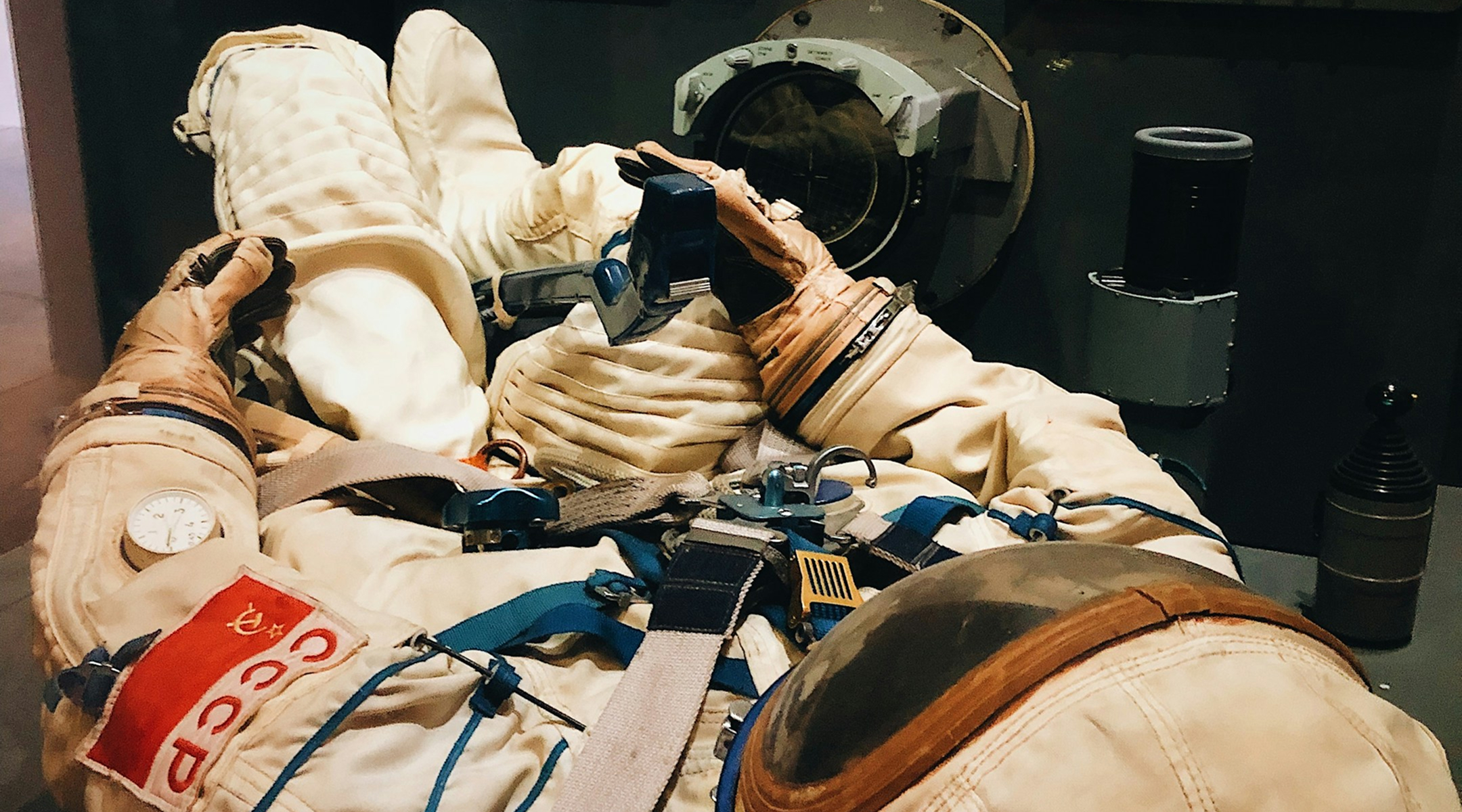
Master regenerative life support systems and operations - from ISS-validated protocols to mission decision-making for next-generation Gateway missions.
Start date
Preliminary - February 2027
Application due
Preliminary - January 2027
Format
Designated live online sessions
Learning track
Certificate of ECLSS Excellence
This course delivers operational ECLSS expertise that exists nowhere else - knowledge forged through actual mission failures, critical decision-making under pressure, and decades of real-time troubleshooting aboard ISS and other platforms. Whether designing next-generation systems or leading current operations, you'll gain insights that can't be extracted from technical papers, conference presentations, or equipment manuals.
Instructors reveal what happened when systems failed: the split-second decisions that saved missions, the workarounds that became standard protocols, the hard-earned lessons from pushing regenerative systems beyond their design limits.
You'll learn why certain approaches work in theory but fail operationally, how thermal management strategies evolved through trial and error, what optimization techniques deliver results versus those that sound good in proposals.
This is the operational intelligence that separates competent engineers from mission-critical experts - the gap between knowing how a system should work and understanding how it behaves when lives depend on it. Knowledge earned in environments where failure isn't an option and second chances don't exist.
Designed for space agency personnel, aerospace industry engineers, commercial station developers, and professionals entering human spaceflight operations. Suitable for those working with life support systems in design, operations, or mission support roles.
Course tiers accommodate different experience levels - from foundational concepts for newcomers to advanced operational scenarios for senior engineers.
The course covers the complete spectrum of environmental control and life support systems essential for human spaceflight operations. Training includes atmospheric control technologies for oxygen generation and CO₂ removal, water recovery and recycling systems, thermal management protocols, waste processing methods, and system integration approaches.
Participants learn regenerative life support fundamentals, operational troubleshooting methodologies, failure response protocols, and optimization techniques validated through ISS operations and adapted for Gateway, Artemis and commercial space stations. Advanced modules address complex multi-system integration, mission-critical decision-making under failure conditions, design considerations for lunar and Mars surface habitats, and certification approaches for next-generation platforms.
Foundation Certificate launches Q4 2026, with Professional and Expert levels following in 2027. Corporate Programs become available in 2028.
ECLSS course directors bring extensive operational experience from ISS water recovery systems, Gateway life support development, terrestrial applications, and commercial station programs. They combine decades of hands-on troubleshooting with deep knowledge of regenerative system optimization and failure response protocols.
Guest practitioners include astronauts who've operated these systems in space, agency specialists who've managed mission-critical life support operations, and industry experts developing next-generation platforms for lunar and Mars missions. Together, they deliver insights spanning current operations, lessons learned from actual failures, and emerging technologies for long-duration exploration missions.
This faculty represents the full spectrum of ECLSS expertise - from those who designed and built the systems to those who've operated them when lives depended on perfect performance.
TGSA certifications are issued upon successful completion of scenario-based assessments designed to reflect real operational challenges. Each certificate carries the credibility of the institutions and missions our course directors and guest practitioners represent - professionals at the forefront of human spaceflight who bring their organizations' expertise directly into the courses.
Operational competency validated by practitioners who define best practice in the field. Course directors and guest faculty represent leading space agencies, prime contractors and commercial operators - making each certificate a credential backed by the most experienced voices in human spaceflight operations.
Pricing is structured across Foundation, Professional and Expert levels. As a European platform built specifically for this field, TGSA delivers operational expertise from the world's leading practitioners at a fraction of the cost of comparable programs - made possible by our lean structure, European base and direct relationships with mission practitioners who teach because they're passionate about building this workforce.
Course fees include everything needed for the complete program and certification - live instruction from course directors and guest practitioners, all materials, scenario-based assessments, and ongoing access to updated content and the TGSA practitioner network.
Enrollment for ECLSS Certificate course opens in early 2027.
Each level is designed for working professionals requiring approximately 4-6 hours per week. Foundation runs 4 weeks, Professional 8 weeks, Expert 12 weeks. Corporate programs offer flexible scheduling with customized delivery options including in-person sessions at TGSA facilities.
Detailed weekly breakdown including live sessions, pre-recorded content, reading materials and exercises will be shared once each level is finalized.
Each course is developed and led by an average of three operational experts with decades of hands-on mission experience, supported by guest practitioners from leading space agencies, aerospace contractors and commercial spaceflight companies.
Courses are delivered live online, combining real-time instruction from course directors and guests experts with scenario-based exercises and peer interaction. Sessions are scheduled to accommodate European and international time zones. Recordings are available for participants unable to attend live, though active participation is strongly encouraged.
Corporate packages include the option for in-person delivery at TGSA's operational facilities.
Foundation: Engineering or science background. Professional: 2+ years in aerospace. Expert: 5+ years with spaceflight systems. Corporate programs: Prerequisites determined based on group composition and training objectives.
All levels require ability to engage in technical English discussions.
Most available training covers system specifications, design standards and published protocols - knowledge accessible through manuals, papers and conferences. This course delivers what none of that provide: the operational intelligence behind the decisions, the workarounds that saved missions, the failures that rewrote protocols, and the hard-earned expertise of practitioners who spent decades managing these systems where failure wasn't an option.
You'll learn from an unmatched network of international experts - astronauts, agency specialists, and industry veterans - delivered at a fraction of traditional costs and accessible without export control restrictions. The gap between knowing how ECLSS should work and understanding how it actually behaves under pressure is where this course lives.
Courses are delivered online and open to professionals worldwide. No ITAR restrictions or export control limitations apply to TGSA programs.
"*" indicates required fields
Get in touch for questions about the course or enrollment process.
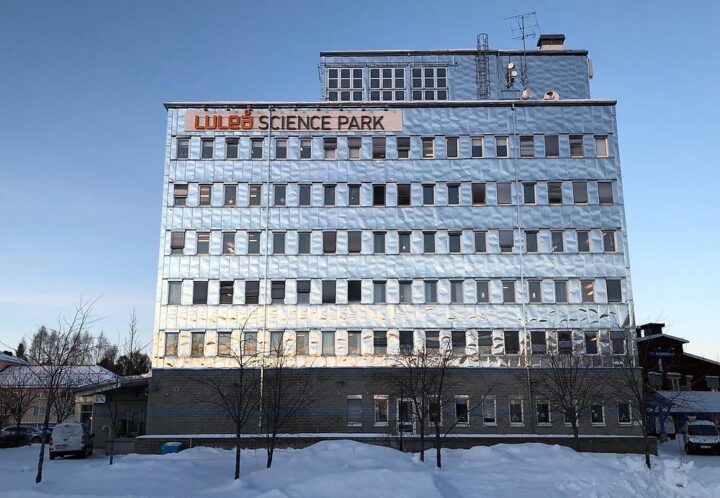
Luleå Science Park
Aurorum 1C
977 75 Luleå
Questions about enrollment, teaching with us, or partnerships?
"*" indicates required fields
Platform access opens Q1 2027 with first course in Environmental Control and Life Support System (ECLSS). Express interest here and subscribe for enrollment updates.
Platform access opens Q1 2027 with first course in Environmental Control and Life Support System (ECLSS). Express interest below and subscribe for enrollment updates.
"*" indicates required fields